
buydrivinglicenseonline1039
About buydrivinglicenseonline1039
Five Reasons To Join An Online Driving Licence Uk Business And 5 Reasons Why You Shouldn’t
Understanding the Driving Licence in the UK: A Comprehensive Guide
The driving licence is an essential file required for those wanting to operate an automobile in the United Kingdom. The process of obtaining a driving licence can typically seem overwhelming, filled with guidelines and varying processes throughout various classifications of licences. This article explores the UK driving licence system, its types, the process of acquiring one, and regularly asked questions.
Kinds Of UK Driving Licences
The UK has numerous kinds of driving licences, each customized for different categories of vehicles. Comprehending these different licence types is essential for possible drivers. Here’s a breakdown of the significant categories:
-
Provisional Licence:
- This is the first step to acquiring a complete driving licence. It enables people to drive a lorry on UK roads under certain conditions, generally while accompanied by a qualified driver.
- Eligibility: Must be at least 17 years old (or 16 for mopeds).
-
Complete Driving Licence:
- After passing the driving test, individuals are granted a complete driving licence. This allows them to drive unaccompanied.
- Classifications of full driving licence consist of:
- Category B: Cars and light vans.
- Classification A: Motorcycles.
- Classification C: Large automobiles, like lorries.
-
Special Licences:
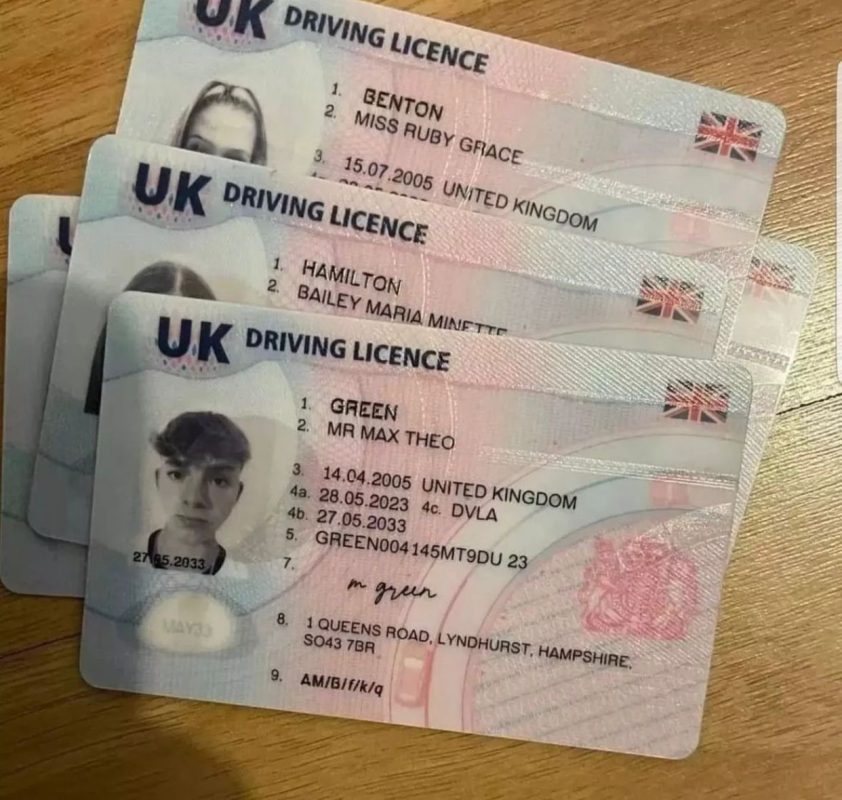
- For professional drivers and specific types of automobiles:
- HGV Licence: For driving heavy goods lorries.
- PCV Licence: For passenger-carrying cars like buses and coaches.
- For professional drivers and specific types of automobiles:
-
Young Driver’s Licence:
- Special provisions may apply to drivers under 25, consisting of greater insurance coverage costs and constraints in some areas.
The Process of Obtaining a Driving Licence
The journey towards obtaining a driving licence in the UK involves a number of crucial steps. Each stage is designed to ensure that the applicant is well-prepared to run a car safely. Here are the phases broken down into an easy-to-follow procedure:
Step 1: Obtain a Provisional Licence
- Eligibility: Application can be made online or by means of postal services if the applicant is at least 17 years of age.
- Documents Needed:
- Proof of identity (passport, and so on)
- National Insurance number.
Step 2: Learn to Drive
- Driving Lessons: It is recommended to take lessons from a qualified instructor.
- Theory Test Preparation: Candidates should study for the theory test, which evaluates understanding of road indications, rules, and safe driving practices.
Action 3: Pass the Theory Test
- Elements: The theory test includes multiple-choice questions and a threat understanding test.
- Passing Requirements: Candidates need to score above the needed limit on both sections to advance to the practical driving test.
Step 4: Pass the Practical Driving Test
- Scheduling the Test: Once positive with driving, people can schedule their practical test.
- Test Components: The dry run evaluates driving skills, manoeuvres, and decision-making capabilities.
Step 5: Receive Full Driving Licence
- After effective completion of both the theory and useful tests, candidates get their complete driving licence.
Restoring and Updating Your Licence
Driving licences in the UK do have an expiry date. Normally, a full driving licence should be restored every 10 years, and a provisionary licence every 10 years or upon reaching a specific age, depending upon the category of the licence.
Secret Points for Renewal:
- Ensure updated individual info is sent.
- Pay a renewal fee (appropriate in many cases).
- Depending on age, a medical checkup might be needed.
Common FAQ about Driving Licences in the UK
1. How do I examine if my provisionary driving licence stands?
- You can inspect your licence status on the main government site by entering your information.
2. What takes place if I lose my driving licence?
- If you lose your licence, you need to look for a replacement through the DVLA. This procedure can be done online driving Licence uk.
3. Can I drive with an ended licence?
- No, it is unlawful to drive with an ended licence. You need to restore your licence before driving.
4. What are the penalties for driving without a legitimate licence?
- Driving without a valid licence can result in fines, points on your licence, and possibly more severe legal repercussions.
5. Can I drive in other nations with my UK driving licence?
- In many locations, a UK driving licence is recognized; nevertheless, some countries might need an International Driving Permit (IDP) in addition to your UK licence.
6. Can I take the practical test in another language?
- Yes, the driving test can be conducted in different languages through making use of an interpreter. It is recommended to inspect schedule and regulations in advance.
Navigating the complexities of obtaining a driving licence in the UK is crucial for anybody wishing to operate a lorry lawfully and securely. From understanding the various kinds of licences to following the structured process to get a licence, being informed significantly adds to successful driving experiences. By educating oneself through resources readily available, including main federal government web pages, drivers can guarantee they are well-prepared for the roadways ahead. Understanding the guidelines and obligations associated with driving is not only vital for individual security however likewise contributes to the general safety of roadway users.
No listing found.