
bunk_beds3901
About bunk_beds3901
You’ll Never Be Able To Figure Out This Bunk Beds Sale’s Benefits
Bunk Beds Sale: A Comprehensive Guide to Choosing the Right Bunk Bed for Your Home
Bunk beds have actually long been a staple in kids’s bed rooms, using a mix of space-saving efficiency and fun. Whether accommodating siblings, good friends on slumber parties, or just optimizing a playroom, bunk beds have become an essential component in modern-day household homes. As sales on bunk beds rise, it becomes progressively crucial for customers to make informed decisions when acquiring one. This short article will cover the fundamentals of purchasing a bunk bed, from types to security features, along with ideas for maintaining the stability of your investment.
Types of Bunk Beds
When considering a bunk bed sale, it’s crucial to comprehend the different designs available on the market. Below are the most common types:
-
Traditional Bunk Beds: These include 2 beds stacked one above the other, sharing a single frame. They are frequently the most cost-effective choice.
-
L-Shaped Bunk Beds: This style includes one bed placed vertically and another horizontally. This plan creates extra space beneath the upper bed, which can be used for storage or a backyard.
-
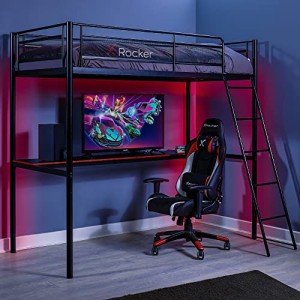
Lofted Beds: Similar to conventional bunk beds but without any lower bed. Instead, the space below can be utilized for a desk, play location, or additional storage.
-
Triple Bunk Beds: For households with a larger variety of children or frequent pajama parties, triple bunk beds provide three sleeping areas in a space-efficient style.
-
Futon Bunk Beds: These styles merge bunk beds and futon couches. The bottom area transforms into a different seating area, improving performance.
-
Convertible Bunk Beds: These beds can be separated into two individual beds, making them versatile as kids’s requirements change in time.
Table 1: Comparison of Bunk Bed Types
| Type | Description | Space Efficiency | Additional Features |
|---|---|---|---|
| Traditional Bunk Bed | 2 beds stacked vertically | High | Most basic design |
| L-Shaped Bunk Bed | One vertical and one horizontal bed | Moderate | Play or storage space |
| Lofted Bed | Elevated bed with open space listed below | High | Work/play location |
| Triple Bunk Bed | Three stacked beds | Very High | Accommodates more users |
| Futon Bunk Bed | Bunk bed with a convertible futon | High | Multi-functional |
| Convertible Bunk Bed | Can be split into 2 different beds | Moderate | Versatility & & longevity |
Safety Features to Consider
Safety is paramount when buying a bunk bed. Below are essential security features to look for:
-
Guardrails: Adequate guardrails ought to exist on both sides of the upper bunk to prevent falls. They ought to be at least 5 inches higher than the bed mattress.
-
Ladder Design: Look for strong, broad ladders with slip-resistant rungs. Guarantee that the angle is not too high for simple access.
-
Stability: Ensure the bed is constructed with strong products, such as strong wood or durable metal. The bed should not wobble when in use.
-
Weight Limit: Check the weight capability of the bunk bed to ensure it can accommodate the desired users safely.
-
Material Safety: If possible, select beds made from non-toxic materials or those fulfilling security requirements for kids’s furnishings.

Table 2: Essential Safety Features
| Function | Description | Importance |
|---|---|---|
| Guardrails | Sides of upper bed to avoid falls | Essential for child safety |
| Ladder Design | Strong, slip-resistant rungs | Help safe and simple gain access to |
| Stability | Develop quality to prevent wobbling | Ensures safety and durability |
| Weight Limit | Optimum weight capability | Avoids accidents |
| Product Safety | Non-toxic, safe materials | Safeguards children’s health |
Upkeep Tips for Bunk Beds
To extend the life of your bunk bed and ensure continuous security, think about the following maintenance ideas:
-
Regular Inspections: Periodically examine the structure for loose screws, bolts, or any signs of wear. Tighten up fasteners as necessary.
-
Tidy Periodically: Dust and clean the surface areas routinely. Use appropriate cleaners that won’t damage the finish.
-
Examine Weight Limits: Be mindful of weight limitations, particularly with older kids or adults who might want to utilize the upper bunk.
-
Prevent Climbing on Guardrails: Educate kids not to utilize guardrails for climbing or playing to reduce the danger of accidents.
Regularly Asked Questions (FAQs)
Q1: What is the age limit for kids to safely use bunk beds?A: While it differs by the maker, numerous advise that kids under 6 need to not oversleep the upper bunk due to security issues.
Q2: How can moms and dads discourage risky climbing?A: Setting clear guidelines about bunk bed usage and supervising kids can assist. Furthermore, utilizing a bed camping tent can discourage climbing while developing an enjoyable sleep environment.
Q3: What should I consider when embellishing a space with bunk beds?A: Ensure there is sufficient space around the bunk beds sale (https://www.Lianebungert.Top/furniture/Space-saving-sleep-solutions-the-ultimate-guide-to-stylish-best-bunk-Beds) bed for safe movement, and make use of the design to develop customized areas for each child.
Q4: Is a lofted bed ideal for older children?A: Yes, lofted beds can be ideal for older kids as long as they satisfy safety requirements and the kid is accountable enough to utilize them securely.
Bunk beds serve a practical function while adding a component of enjoyable to a kid’s bedroom. As sales of bunk beds continue to increase, mindful consideration of types, safety features, and maintenance practices is important for moms and dads and caregivers. By understanding these important factors, households can find the perfect bunk bed for their home, making sure both practicality and security for years to come. Whether it’s for siblings sharing a room or developing a cozy sleepover space, a well-chosen bunk bed can provide pleasure and practicality, making it a deserving financial investment.
No listing found.